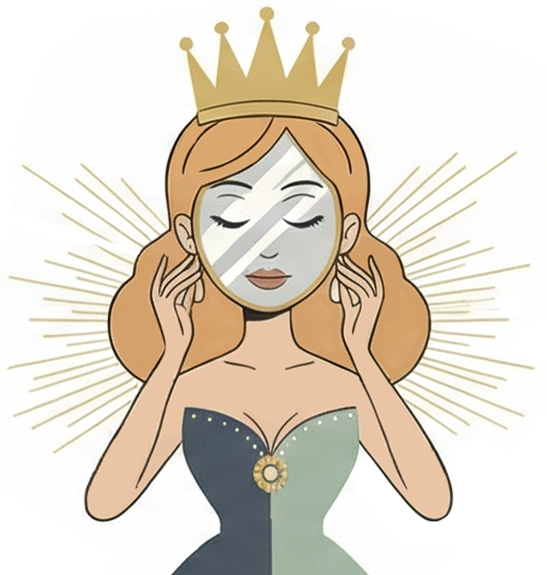
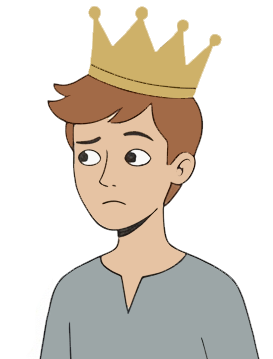
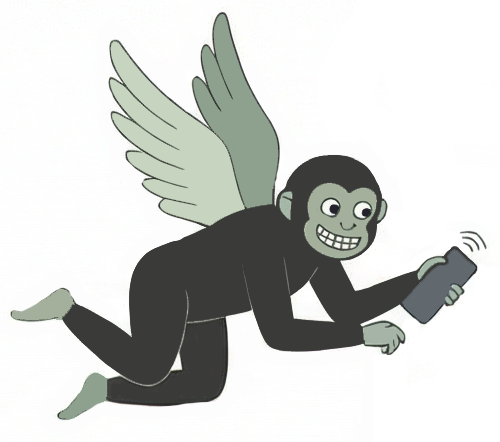
Like their parent, Successors generally fall into an overt or covert presentation
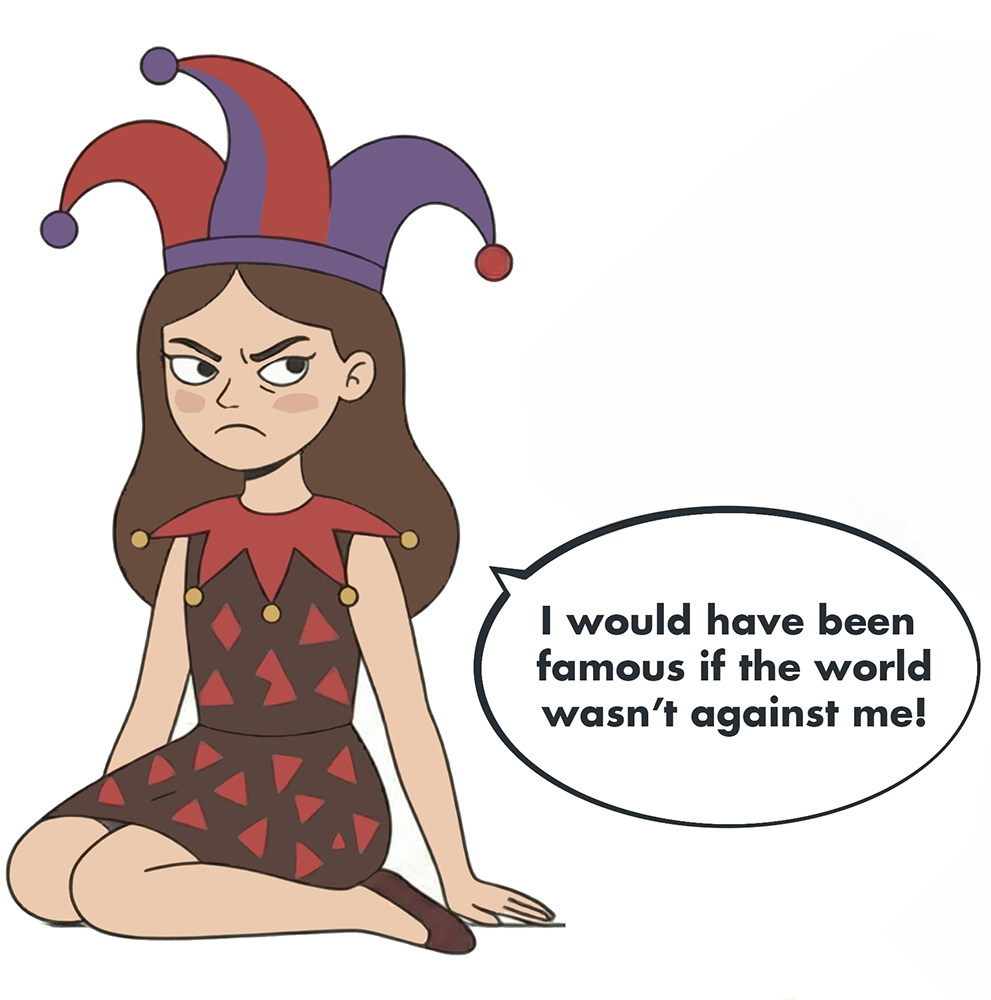
Walks into a room like they own it: bright, charming, and just barely holding a volcano of rage in check. They star in every story they tell, the hero who stood up to a teacher, the best employee their boss ever hired, the future famous actor, singer, or model. They collect gossip and secrets from everyone around them but keep friendships shallow, calling anyone who wants real closeness "clingy." They rarely show up early to help but can always be counted on to ask for a favor.
They explode into narcissistic rage when their ego is slighted and never apologize. A messy room, a missed deadline, a broken plan is always someone else's fault, or their past trauma's fault. Watch for a convenient ADHD or bipolar self-diagnosis that explains away the selfishness without ever addressing it.
Drapes themselves across the couch with the day's latest tragedy. Every setback, being cut off in traffic, a critical teacher, a missed opportunity, becomes proof that the world is against them, never a result of their own choices. They style themselves as the greatest (whatever their hobby happens to be), tragically held back by everyone else.
Unlike the overt type, covert Successors will show up to help, but always with strings attached: lavish praise, gratitude, recognition as a humanitarian. Withhold that, and the help itself becomes ammunition for a fresh round of victimhood. Their goal isn't a wide audience; it's a captive one, a spouse and family who can be trapped into permanent narcissistic supply.
These are the same overt and covert patterns described in general on the Overt Narcissist and Covert Narcissist pages. The Jester and the Sulker are simply what they look like in a child or sibling instead of a parent.
Every other role in this family system is a reaction to living with a narcissist. The Successor is different: this is the teen or young adult in the family who has Narcissistic Personality Disorder themselves. It's genuinely rare for someone in this role to recognize themselves in this description. Narcissists have large egos and equally large victim complexes, so they identify as the golden child, or petulantly insist they're actually the scapegoat. If you're a sibling or parent reading this to understand a conflict from the outside, that mismatch between how the Successor sees themselves and how they actually behave is often the clearest tell of all.
The Successor's goal is control over whichever parent holds the most money, prestige, or influence in the family. If there's wealth involved, they target the parent who controls it directly. They angle to be put in charge of family businesses or estates, which they routinely damage through mood swings and sabotage, and work, sometimes for years, to get other siblings ousted or estranged.
Gossip is their primary tool: they get close to a sibling, extract information, then turn around and use it against them. They may call a sibling's workplace with an anonymous tip to get them fired, then perform sympathy afterward, "I wish there were something I could do about her behavior." Every scheme is built so that, if it's ever traced back to them, they can convincingly claim to be the victim of the very situation they created.
Same disorder, same playbook, just running it on siblings instead of a spouse
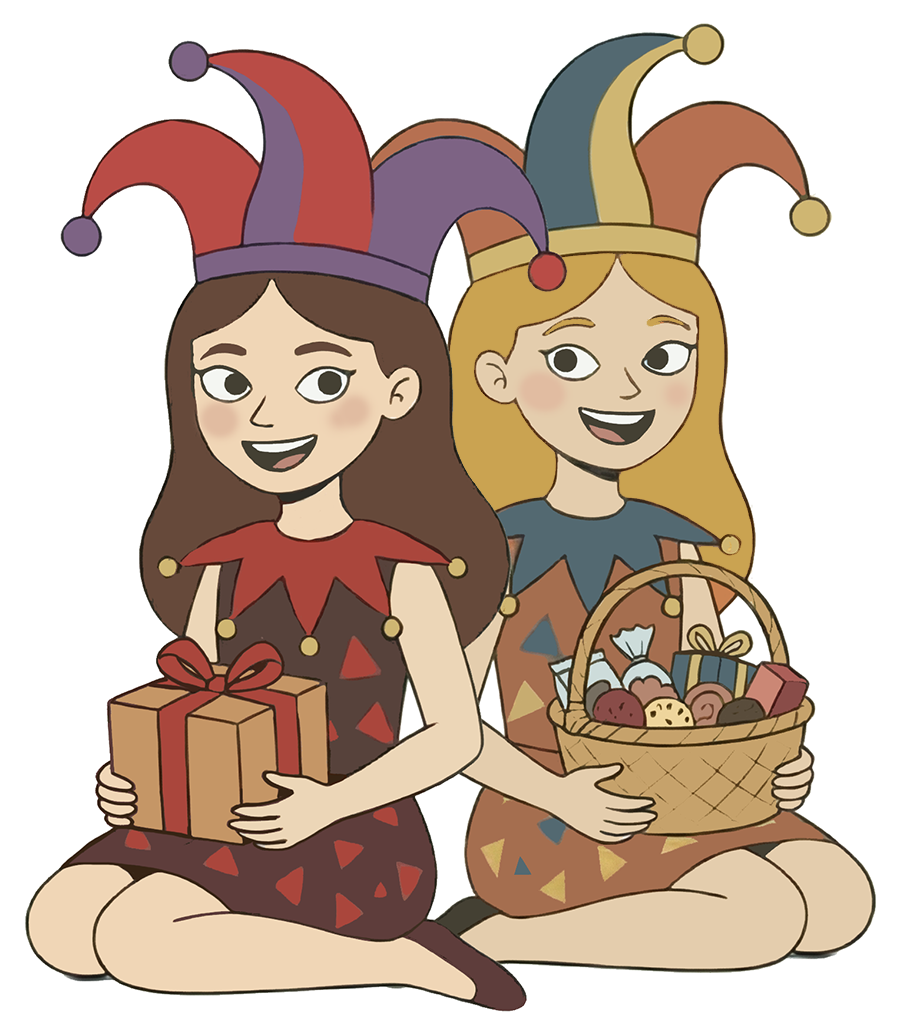
A Successor has the same disorder their parent does, so it isn't surprising they reach for the exact same toolbox. Love bombing wins people over fast: gifts, praise, sudden warmth, before anything is ever asked in return. Triangulation keeps siblings from ever comparing notes, so no one but the Successor has the full picture. DARVO and projection turn any confrontation back around: suddenly the person who caught them is the one on trial, accused of exactly what they were just accused of. And when none of that works, narcissistic rage is always the fallback, immediate and disproportionate, there to make sure the confrontation never happens again.
ADHD, bipolar disorder, and PTSD are real conditions, and Successors will sometimes seek out one of these diagnoses because it explains away selfish behavior without requiring accountability, and can open the door to medication they want for other reasons. That doesn't mean every family member with ADHD or bipolar disorder is secretly narcissistic; it means the diagnosis alone isn't the test.
A more useful question: does this person meet the broader pattern of traits associated with narcissistic personality disorder, grandiosity, need for admiration, lack of empathy, across settings and over time? And specifically: do their rages consistently trace back to a slight against their ego, rather than to the sensory overwhelm, mood cycling, or trauma triggers that characterize ADHD, bipolar disorder, or PTSD? The pattern, not the label, is what tells you what you're dealing with.
Further viewing on the successor role