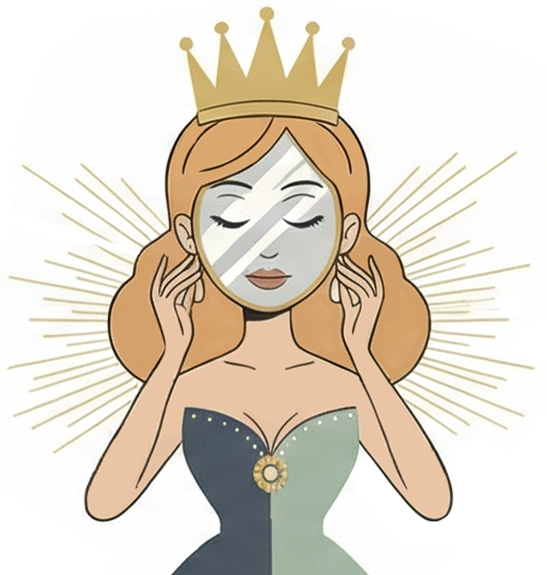
Blamed for everything. Punished for nothing. The only one who can see the pattern clearly.
Nothing about the scapegoat role is random. It serves the narcissist in specific, repeated ways.
A narcissist doesn't just turn against you. She turns everyone else against you too.
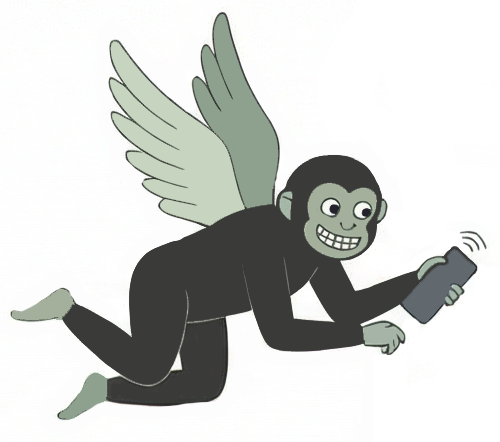
You'll be told, directly or through a flying monkey, that "the whole family" is against you, upset with you, done with you. A normal family, even a close one, holds more nuanced opinions than that. Disagreements split people differently depending on who was actually there and what they actually saw. But when the narcissist is upset with the scapegoat, the family is expected to close ranks around her, and most of them do it willingly, either to avoid becoming the next target themselves, or because they've been fed a version of events that leaves out everything she did to provoke it. You may be told this directly or manipulatively, that the family isn't safe until you get counciling or therapy. This is a form of DARVO. The narcissist is the one who is keeping the family unsafe and who really needs the therapy.
No matter how obvious what she did was, the story that survives is one where she never did anything wrong at all. A normal conflict has some push and pull to it: both sides get a little defensive, both sides eventually soften and apologize. The narcissist never apologizes, and the family rewrites the conflict around that absence instead of questioning it. You become the only person in the story who did anything, because you're the only person allowed to be wrong.
Once you're targeted, it rarely stays contained to her. She'll start working on the people closest to you: calling them, texting them, "checking in," planting doubt about your character one relationship at a time. Rumors get spread. Old mistakes get dug up and recirculated as if they're relevant today. You get quietly dropped from invitations, holidays, group chats, photos, until your absence from family events starts to look normal instead of engineered.
Ask why, and there's always a reason ready: something you supposedly said, some slight from years ago, proof that you brought this on yourself. No child earns this kind of treatment from their own family. The reason was never really the reason. It's the justification built after the decision was already made.
Family systems theory has a name for what's happening structurally underneath all of this: the family unconsciously locates its tension in a single member, so the rest of the system can feel calm and functional by comparison. Psychiatrist Murray Bowen called this the family projection process, and clinicians sometimes call the person it lands on the "identified patient." More recent research on family scapegoating abuse describes the same dynamic in plainer terms: it isn't only the narcissist doing this to you. It's a family that has organized itself around letting her.
You may recognize yourself in more than one
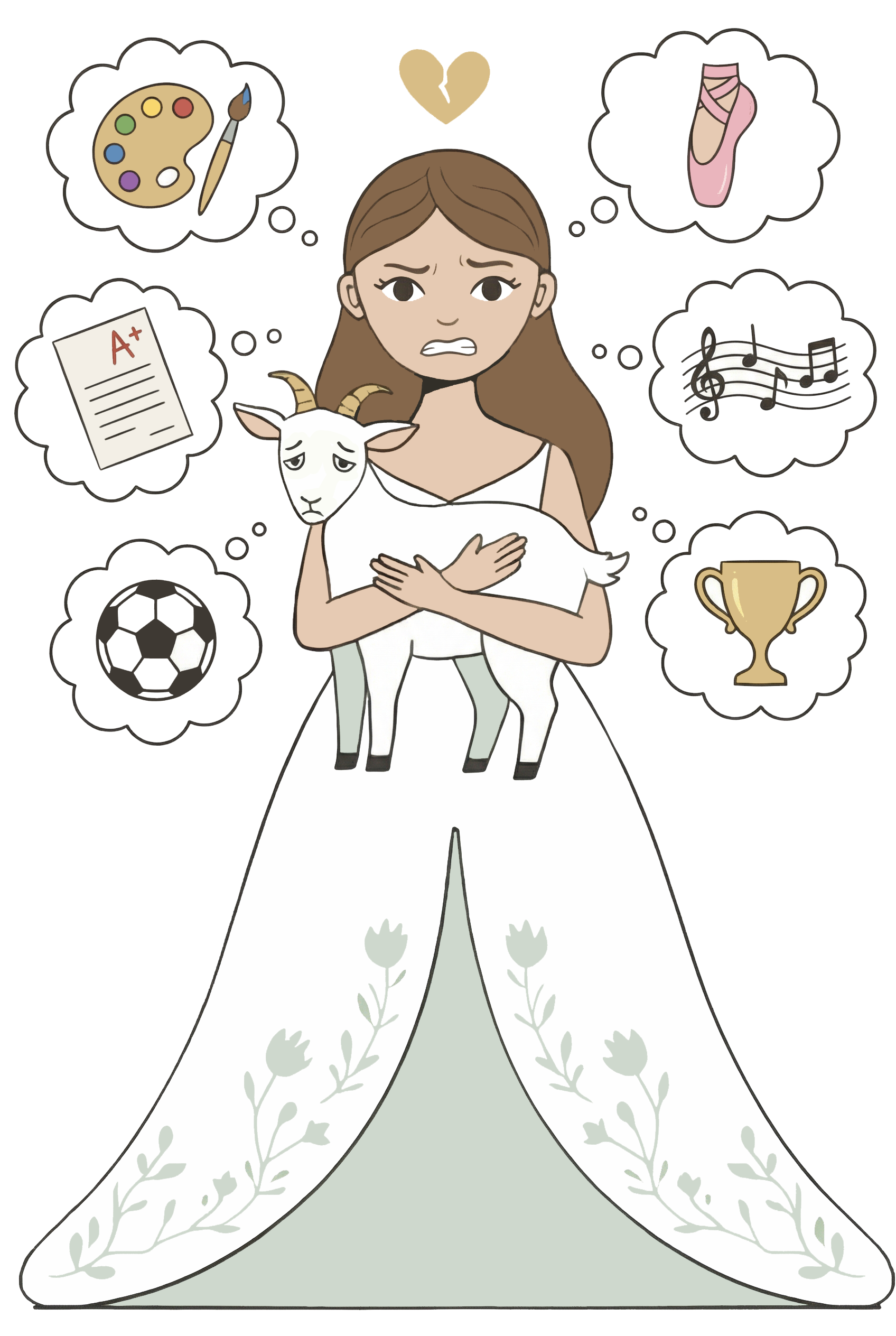
Praise only ever arrived attached to achievement, so you kept chasing it, the grades, the instrument, the trophy, the perfect appearance, never realizing the "carrot" was never real. The narcissist can't actually love you, so the reward never lands, and you spiral into a new talent before the last one satisfies anything.
Result: genuinely talented, high-achieving, low self-worth, terrified of criticism, and quietly sabotaged by family whenever you get close to real success outside their control.
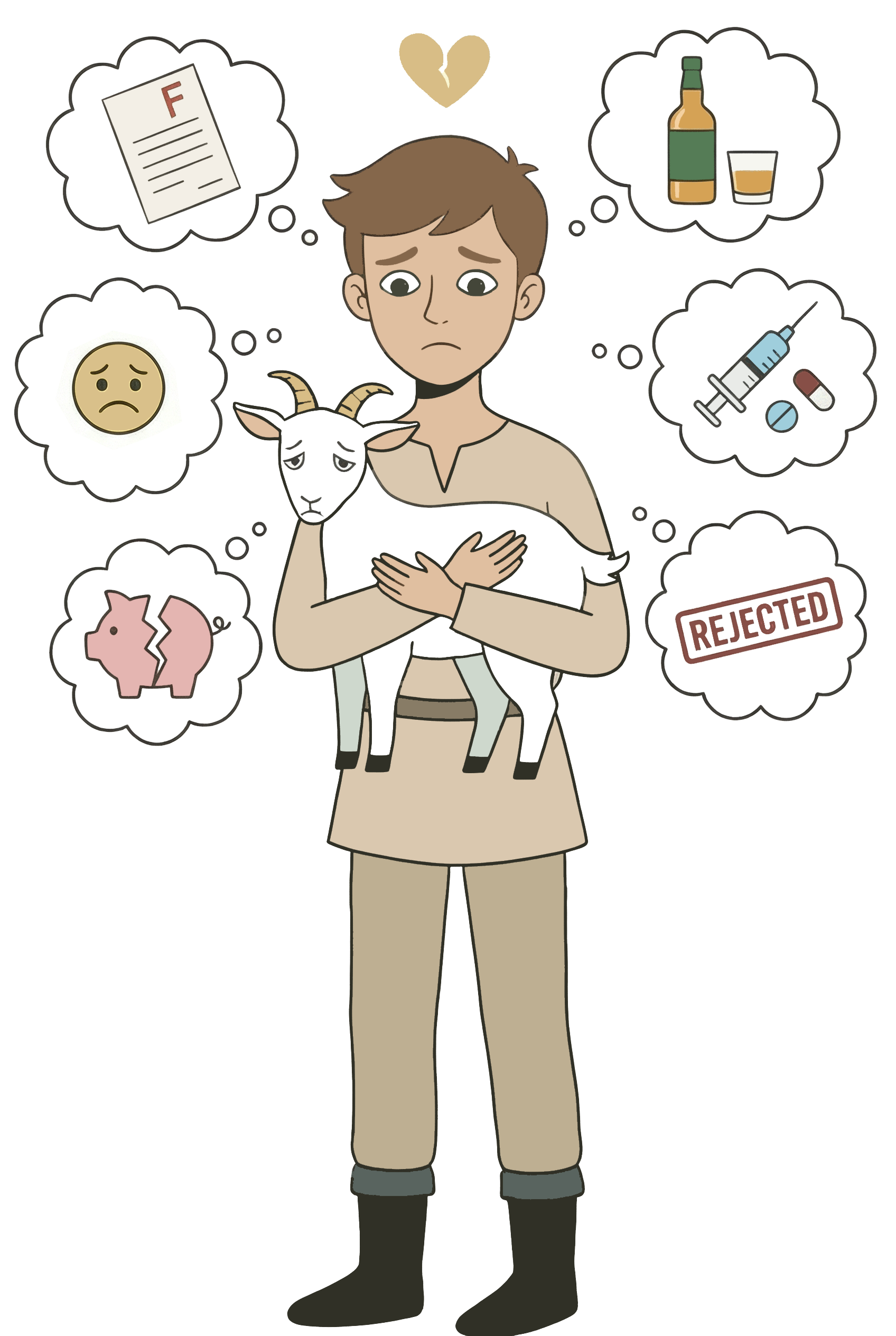
The narcissist's love was never actually available no matter how hard you worked for it. So at some point, some scapegoats stop working for it. Instead of chasing achievement, you numb the ache instead: alcohol, drugs, or a string of relationships with people who echo the instability of home. It isn't laziness. It's exhaustion from a race that was rigged from the start, and self-medication for a wound no one in the family will acknowledge exists.
Result: real talent and intelligence that never gets the room to develop, a pattern of drifting toward people or substances that recreate the chaos of home instead of actual safety, and a family that points to the addiction or the "bad choices" as proof you were the problem all along, conveniently erasing what put you there.
Overly kind, giving, and sensitive, trained into the role of family servant so thoroughly it feels like your personality. You offer help before it's asked for, swallow your own needs, and rarely act with malice or manipulation in return.
The cost: people-pleasing that attracts users rather than equals. The fix isn't becoming colder. It's learning to give only when asked, and to notice the difference between someone who's grateful and someone who's simply used to taking.
Kept perpetually "too young" to be trusted with real independence, regardless of actual age. Every attempt at autonomy, a move, a relationship, a career change, gets met with doubt about your competence. Staying dependent keeps you available, which is the actual point.
Withdrawal as survival strategy. If visibility invites punishment, invisibility starts to look like safety, so you disappear into work, distance, or early estrangement, and become the family member no one quite talks about. It works, at a cost: isolation that can outlast the family system that created it.
Every type above develops as an adaptation to an environment where love was conditional, unpredictable, or entirely absent. None of them are character flaws. They're the shape a child's personality takes when it has to survive a system it didn't choose.
Because the narcissist always has an excuse ready, you become the one seen as disruptive, overly critical, or "mean" for pointing anything out. Other family members don't connect the dots, not because the pattern is subtle, but because they've been conditioned not to look. Seeing it clearly means risking the same punishment you're already absorbing, so it's easier for everyone else to look away.
Over time, many scapegoats develop what looks like a flat, unreactive affect, not because they don't feel the abuse, but because reacting only ever invited more of it. This unintentional coping style is close to what's known as the grey rock method, and it's often the scapegoat's own nervous system arriving at the right defense before they have a name for it.
It was never really about what you did
In a narcissistic family, the worst thing anyone can do isn't lying, cruelty, or control. It's disturbing the peace. Once you've triggered the narcissist, you become the target, and everyone around you understands, on some level, that they can't offload their own discomfort or restore calm by challenging her directly. Confronting the narcissist doesn't feel survivable. Confronting you does.
If they can stop your behavior and appease her, even briefly, a kind of peace returns to the house. It's temporary, and it costs you something every time, but it's the only version of peace that feels achievable to them, so they take it. Punishing you was never really about you at all. It's just the path of least resistance for a family that wants the tension to stop.
What the family doesn't let itself consider is that there's a version of peace that doesn't run through you at all. If they stopped protecting her and confronted her together, the peace that followed wouldn't be temporary or conditional. It would be lasting. They could feel loved, cherished, helped, and valued, not because they'd managed to keep her calm for one more day, but because the actual source of the instability would finally be gone.
Rebellion is still a leash. Many scapegoats push back as they get older. Different politics, different beliefs, a different look, anything opposite of the family. That's understandable, but if every choice you make is a reaction to them, they're still the one steering your life. Choose your beliefs, your style, and your relationships because you actually want them, not as a rebuttal. Living the life you were always meant to live, on your own terms, is the version of "winning" that actually leaves them behind.
If you didn't fully understand that your parent, sibling, or caretaker was abusive, you might have grown up to become an enabler yourself, excusing, minimizing, or normalizing the same behavior in your own relationships without recognizing the pattern.
Further viewing on the scapegoat role